Are You Moving, or Is the Equipment Moving You?
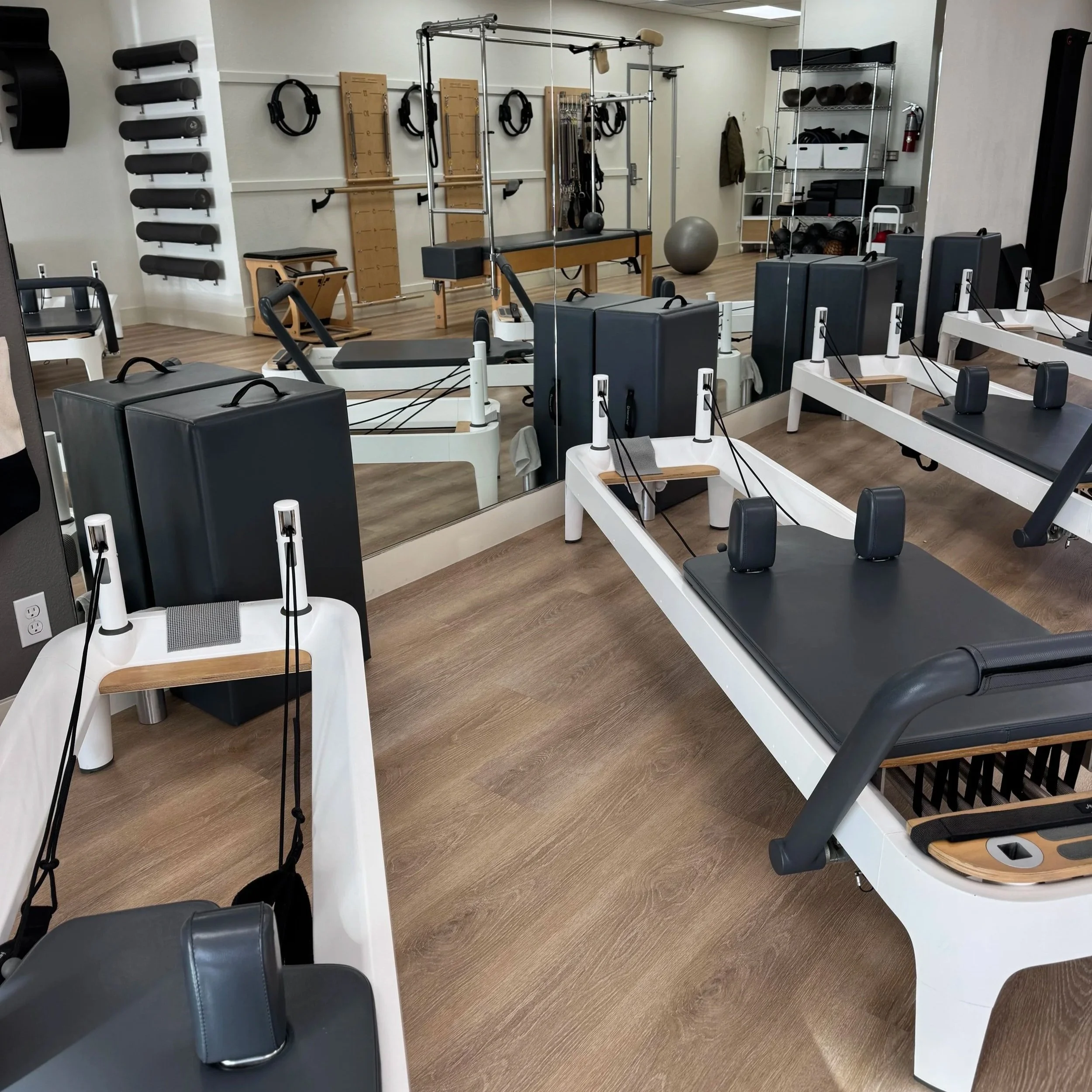
In a Reformer class, it can be tempting to measure an exercise by what we can see. The carriage moved. The legs extended. The straps traveled. The repetition was completed.
But the equipment can move even when we are not fully connected to how the movement is being created.
The more interesting question is not whether the carriage moved. It is what created the movement.
Movement Is More Than Motion
The Reformer is designed to move. The carriage glides along the frame, the springs expand and contract, and the straps travel with us. This responsiveness is part of what makes the equipment so effective, but it can also make it easy to focus on completing the visible motion.
We press the carriage out and allow it to return. We pull the straps and release them. We move through one repetition and then quickly begin another.
From the outside, everything may look right. But internally, we may be relying on momentum, spring tension, or other areas of the body to complete the exercise.
This does not necessarily mean we are doing something wrong. It simply means there may be another layer of the exercise available to us.
Intentional movement asks us to notice not only where we are going, but how we are getting there.
Who Is Initiating the Movement?
Consider a familiar exercise such as footwork. The carriage moves away from the footbar as the legs extend, but there are many ways the body can create that motion.
Are the feet pressing evenly into the bar? Are the legs initiating the movement? Is the pelvis staying connected to the carriage? Does the return feel controlled, or are the springs pulling the carriage home?
The exercise is not only the moment when we press the carriage away. The return is part of the movement too.
The springs provide resistance and support, but they also create momentum. If we stop paying attention after the carriage moves outward, the equipment may begin to determine the pace of the exercise for us.
Slowing down can reveal whether we are guiding the carriage through the full movement or simply following it.
Why Your Instructor May Change the Exercise
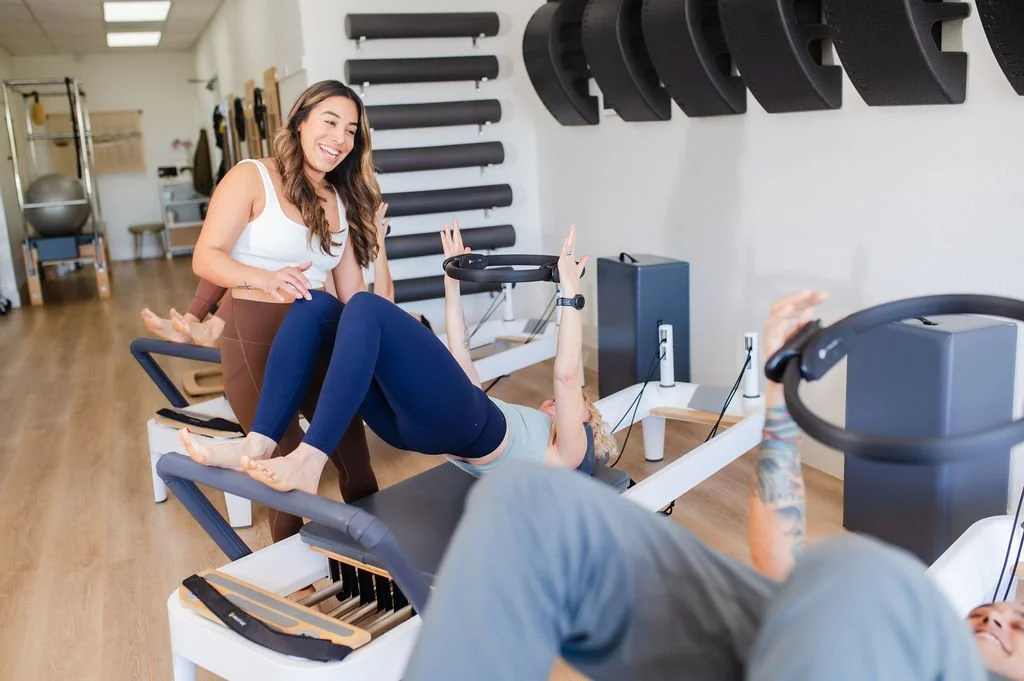
This is why an instructor may ask you to move more slowly, reduce your range, adjust the springs, or pause at a particular point.
The goal is not to make the exercise needlessly difficult. These changes help us discover where the movement begins, how it is being controlled, and what happens when the equipment changes direction.
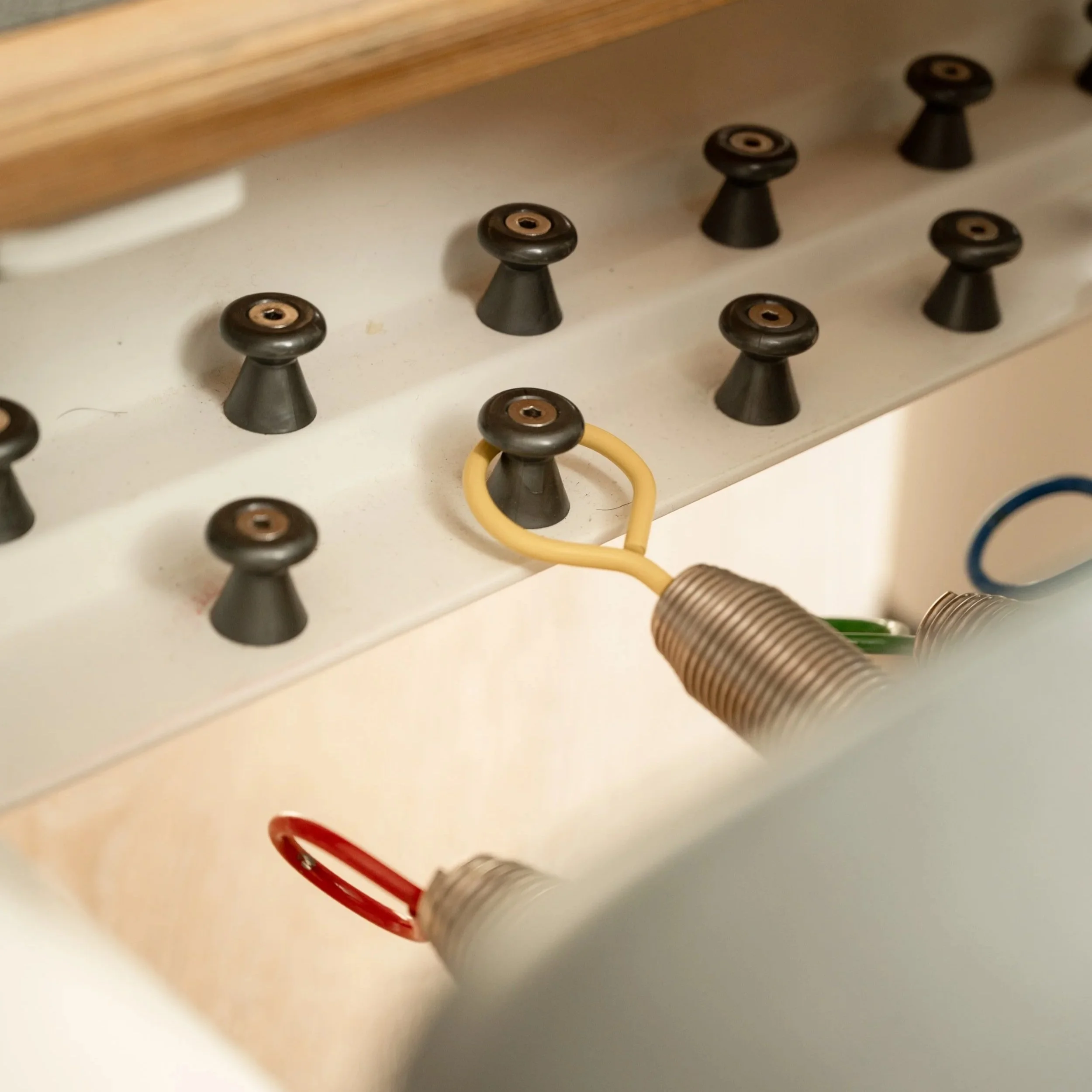
Sometimes adding a spring gives the body more support and clearer feedback. Sometimes reducing the spring tension asks us to create more control. A smaller range may help us stay connected to the intended movement instead of using momentum to travel farther.
There is no single spring setting, pace, or range that is best for every person. The most useful choice depends on the exercise, the body performing it, and what we are trying to practice.
At Move With Studio, our small classes allow our instructors to observe more than whether the carriage is moving. We can pay attention to how the movement is being organized and offer adjustments that help each client connect more fully to the exercise.
Go Deeper With a Private Session
Group classes give us the opportunity to move consistently and learn alongside a community. A private Pilates session creates additional space to focus entirely on how your individual body moves.
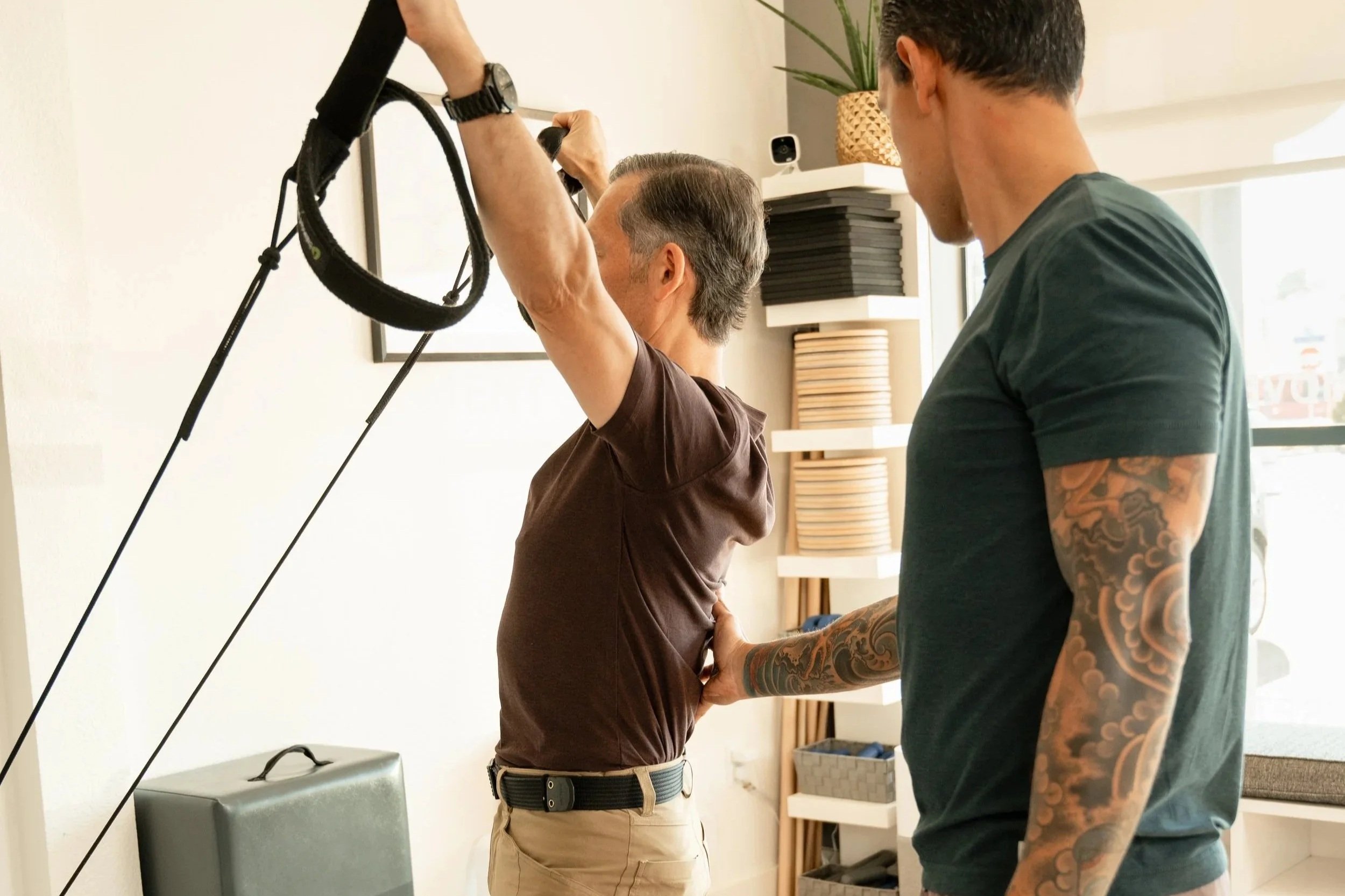
With one-on-one attention, your instructor can observe your movement patterns more closely, experiment with spring settings and variations, and help you understand where an exercise begins in your body. You also have more time to ask questions, explore exercises at your own pace, and become familiar with the feedback the Reformer is giving you.
Private sessions can be especially helpful if you are new to Pilates, returning after time away, working with an injury or physical limitation, or wanting to deepen your existing practice. What you learn privately can also help you feel more connected and confident when you return to group classes.
If you are curious about what is moving the carriage and how to create that movement more intentionally, a private session is a valuable place to explore it.
The Return Tells Us a Lot
We often focus on the part of an exercise that feels like the work. We press the carriage away, pull the straps toward us, or lift against resistance. But the return can tell us just as much.
Can we control the carriage as the springs close? Can we maintain our position when the direction changes? Can we stay present through the final few inches, or do we mentally finish the exercise before the carriage arrives?
Controlling the return does not mean moving as slowly as possible or creating tension everywhere. It means continuing to participate in the movement rather than allowing the equipment to take over.
This is where the Reformer becomes more than a piece of exercise equipment. It becomes a source of feedback. The carriage shows us when our movement is smooth, when momentum has taken over, and when one part of the exercise receives more attention than another.
Try This in Your Next Class
The next time you are on the Reformer, choose one exercise and notice:
What initiates the movement?
Are you controlling the carriage in both directions?
Does your pace allow you to feel what is happening?
Are the springs supporting you, challenging you, or carrying you through the exercise?
Can you stay connected as the carriage returns home?
You do not need to analyze every repetition. Simply noticing one of these details can change how an exercise feels.
The carriage traveling is only the visible part of the exercise. The real practice is learning how to create, guide, and respond to the movement from within.
So, are you moving the equipment, or is the equipment moving you?
The answer may change from one exercise to the next. Learning to recognize the difference is part of what makes Pilates a practice rather than simply a series of movements.
