The Art of Presence: How Pilates Supports Mental Health
World Mental Health Day, October 10
Reclaiming Calm in a Busy World
In our fast-paced lives, it is easy to feel distracted, anxious, or physically tense. Thoughts race, shoulders hunch, and the connection between body and mind becomes strained. World Mental Health Day is a reminder to pause, tune in, and care for our inner well-being.
At Move With Studio, we approach mental health through mindful movement. Pilates here is not just exercise; it is a practice of presence. What makes our approach unique is that we stay true to the original Pilates method, where breathwork is seamlessly woven into every movement. While many modern studios have set this practice aside, we recognize that breath is the foundation for both physical precision and mental clarity. True Pilates breathing not only strengthens the body but also helps regulate the nervous system, calm the mind, and restore emotional balance.
Pilates Breathing and Movement: The Foundation of Mind-Body Connection
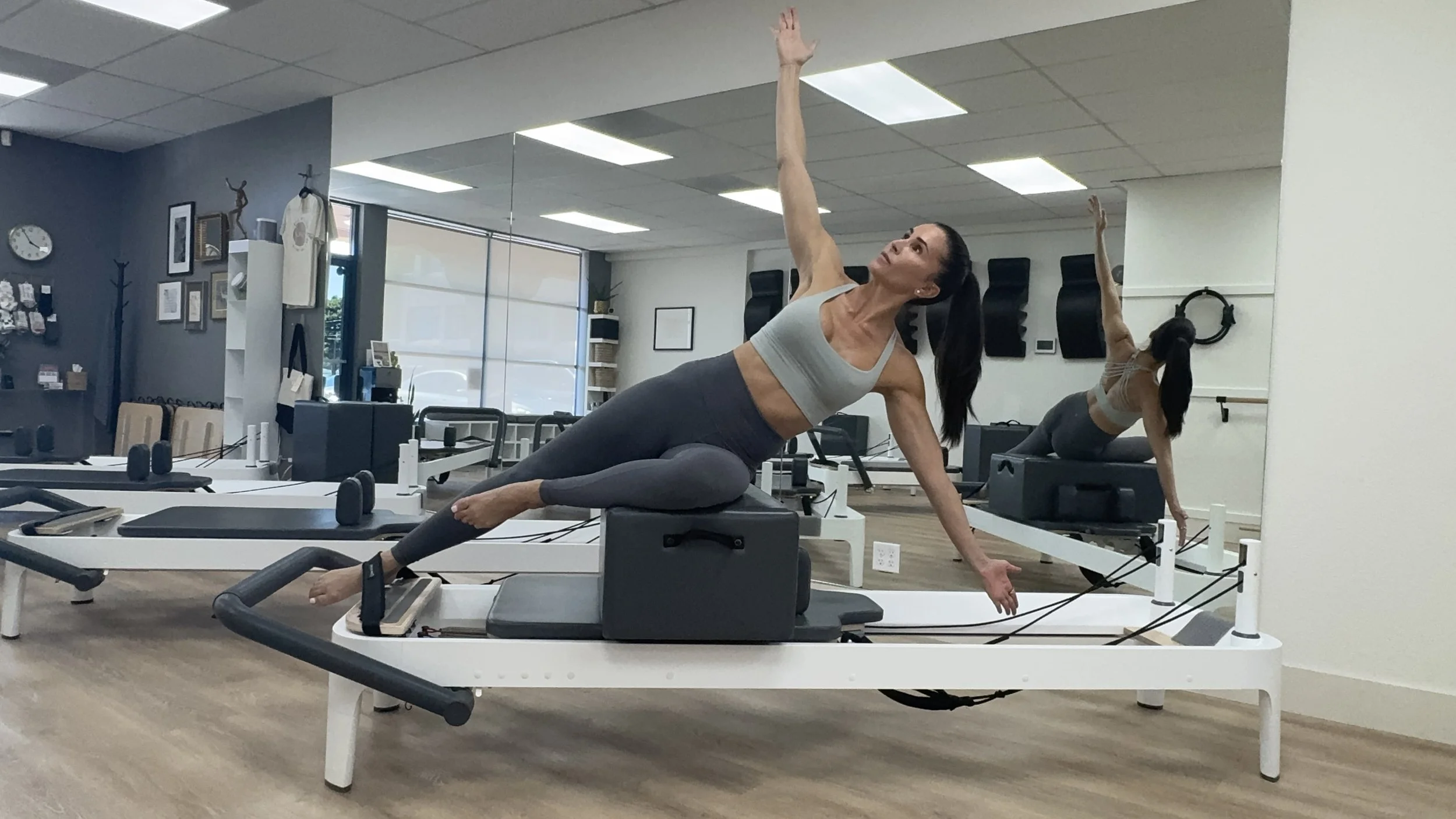
When Joseph Pilates created his method, he emphasized that the breath should guide the movement, not follow it. Each inhale prepares the body for motion, while each exhale supports control, release, and connection. This rhythm transforms Pilates from a workout into a moving meditation.
At Move With Studio, every class emphasizes this breath-led practice, teaching students to use the breath as both a physical tool and a mental anchor. The benefits extend far beyond the reformer:
Focus and Awareness: Breath-guided movement keeps the mind present, quiets distractions, and improves concentration.
Stress Relief: Targeted exercises release tension in the shoulders, neck, and hips while calming the nervous system.
Strength and Stability: Core-focused work builds postural support, balance, and resilience that carry into daily life.
Emotional Regulation: Coordinating movement with breath helps reduce anxiety, steady emotions, and create inner calm.
Improved Energy and Clarity: Pilates boosts circulation, improves oxygen flow, and supports both physical vitality and mental sharpness.
Mobility and Posture: By lengthening tight muscles and strengthening underused ones, Pilates enhances alignment and frees up movement.
The reformer enhances this process by adding resistance and support, which makes the breath even more essential. Breath-led reformer work creates a flow state where movement feels effortless, focus sharpens, and grounded energy emerges. With consistent practice, this integration of breath and movement carries over into daily life helping regulate stress, improve breathing patterns, and create a steadier sense of balance in both body and mind.
Breath-centered Pilates is a reminder that the way we breathe shapes the way we feel, move, and respond to the world. Combined with the strength, posture, and mobility benefits of Pilates, it becomes a powerful tool for overall mental well-being.
A Full Mind-Body Experience
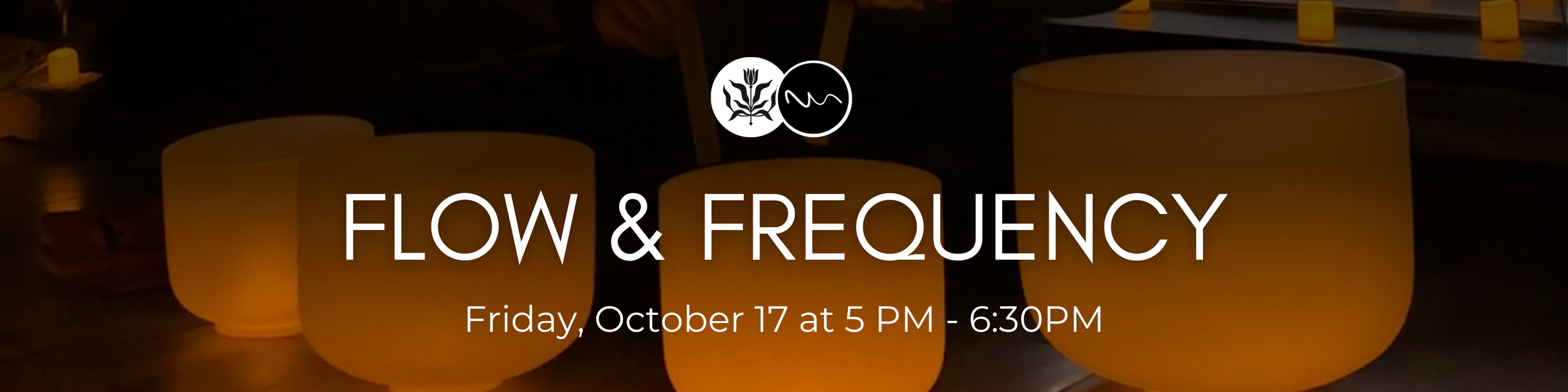
Experience the integration of Pilates, breath, and sound with Flow & Frequency, guided by Kelsey Wiedenhoefer and Missoni Lanza. This expanded 90-minute session is designed to support mental clarity, emotional balance, and physical restoration.
When: Friday, October 17 at 5:00 PM
Where: Move With Studio
Duration: 90 minutes (extended from 75 minutes for deeper immersion)
$77 – Members receive 10% off
Limited spots available
Event Highlights:
Guided Breathwork and Intention Setting – Center your awareness and release accumulated tension.
45-Minute Reformer Flow with Kelsey – Strengthen, stretch, and create space in the body while fostering mental focus and calm.
Sound Healing and Closing Breath with Missoni – Immerse in crystal bowls and mindful breathing, leaving the mind clear and the body deeply restored.
*** The addition of sound bowl healing amplifies a deeper layer of mental clarity and restoration, strengthening the mind-body connection and cultivating lasting calm.
